


Reflections and Results 2025/2026

Markets evolve.

So do we.

Swisscontact was founded in 1959 by Swiss companies with the aim of strengthening economic development in developing and emerging countries. Through education, innovation, and entrepreneurship, we promote sustainable jobs, fair incomes, and functioning local markets. Across Asia, we work through market systems approaches and public-private partnerships to create sustainable income opportunities, strengthen local enterprises, and build resilient economic systems. We work in Bangladesh, Cambodia, Indonesia, Laos, Nepal, Myanmar, and Vietnam, with a strong emphasis on inclusive and climate-smart growth.

Regional Director
Message from the Regional Director

Economic uncertainty, climate pressures, and rapid digitisation are reshaping how opportunity is created and benefits shared. In this context, the most impactful solutions are not temporary interventions; they are market-driven systems that sustain themselves. What gives me hope is the ambition I see across this region and our supporters who continue to believe in our aspirations to shaping a more inclusive future.

Prashant Rana
Director South & Southeast Asia
19,000+ FARMERS ON FINTECH•CHF 5.68 M PRIVATE CAPITAL MOBILISED•500,000 RURAL PATIENTS BY 2028•2,512 STUDENTS CODING•50% FASTER SKILLS CERTIFICATION•19,000+ FARMERS ON FINTECH•CHF 5.68 M PRIVATE CAPITAL MOBILISED•500,000 RURAL PATIENTS BY 2028•2,512 STUDENTS CODING•50% FASTER SKILLS CERTIFICATION•

Results and impact 2025

Our Capabilities

Workforce Development and Future Skills

Our portfolio supports the design and strengthening of market-oriented workforce systems through Technical and Vocational Education and Training (TVET) reform, youth apprenticeship models, and entrepreneurship pathways. Current work spans vocational training and employment services in Laos, digital transformation of TVET systems in Cambodia and Nepal, industry-led workforce development in Indonesia, and workplace-based training models in Bangladesh.

Where we add value: Readymade Garments (RMG) and manufacturing, tourism and hospitality, Information and Communication Technologies (ICT) and digital services, agribusinesses, and emerging industries requiring a skilled workforce.

Enterprise Development and Entrepreneurship Ecosystem

We work with entrepreneurs, SMEs, investors, business associations, and ecosystem actors to improve enterprise performance, strengthen entrepreneurial ecosystems, facilitate investment, and increase market competitiveness. The portfolio includes startup ecosystem development, investment readiness, mentorship networks, export promotion, and business acceleration support across multiple countries.

Where we add value: Technology and digital startups, SMEs, agribusinesses, export-oriented enterprises, tourism businesses, and emerging green enterprises.

Sustainable Agriculture and Commodity Systems

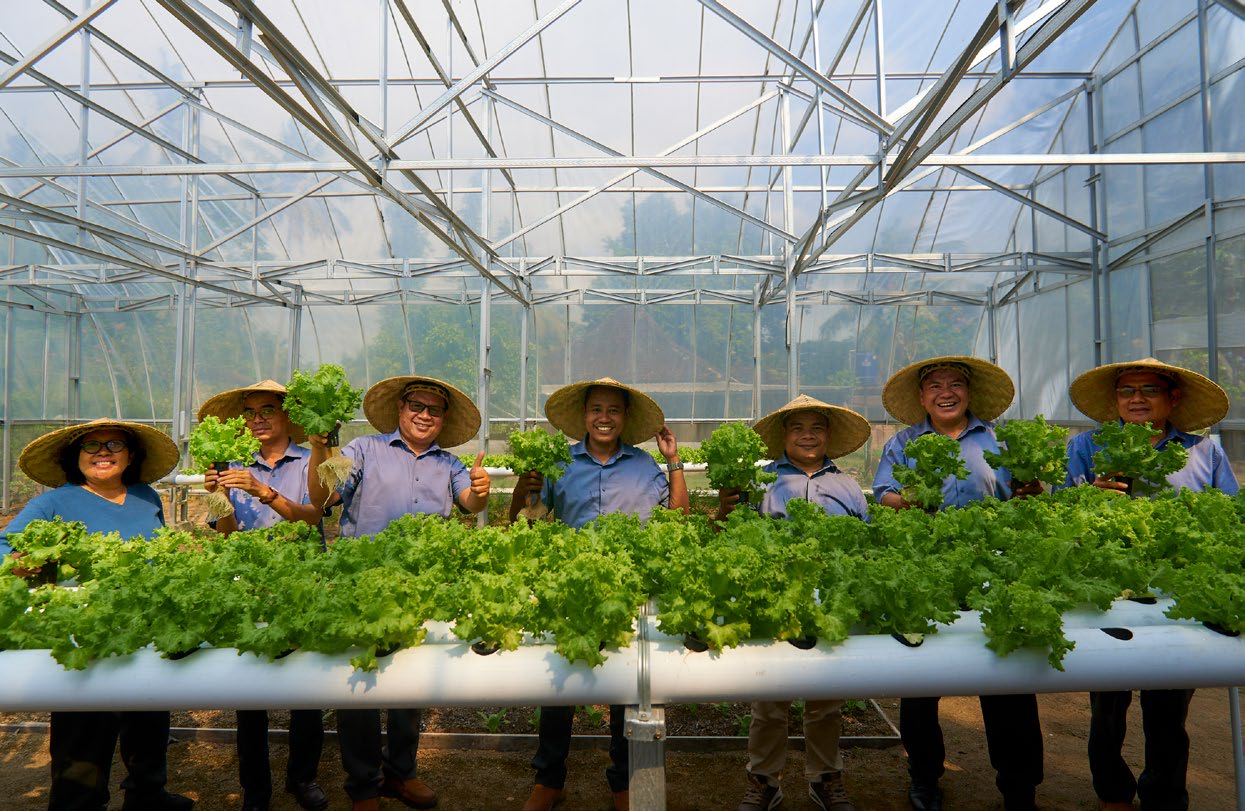
We support the transformation of agricultural and commodity market systems through regenerative agriculture, climate-smart production, Agri mechanisation, extension services, enterprise and business development services, value-chain development, and market access initiatives. The regional portfolio combines sustainable production practices with stronger linkages between producers, processors, service providers, and markets.

Where we add value: Agriculture, food systems, agricultural commodities, agro-processing, livestock, Agri services, and export-oriented value chains.

Green Economy and Climate Resilience

We have developed a growing portfolio focused on climate adaptation, circular economy systems, sustainable landscape management, waste and recycling value chains, Environmental, Social, and Governance (ESG) solutions, and climate-resilient public services. These interventions create economic opportunities while strengthening environmental sustainability and resilience.

Where we add value: Tourism, RMG, environmental services, waste management and recycling, water and urban services, conservation, sustainable production, and green industries.

Digital Economy and Sector Transformation

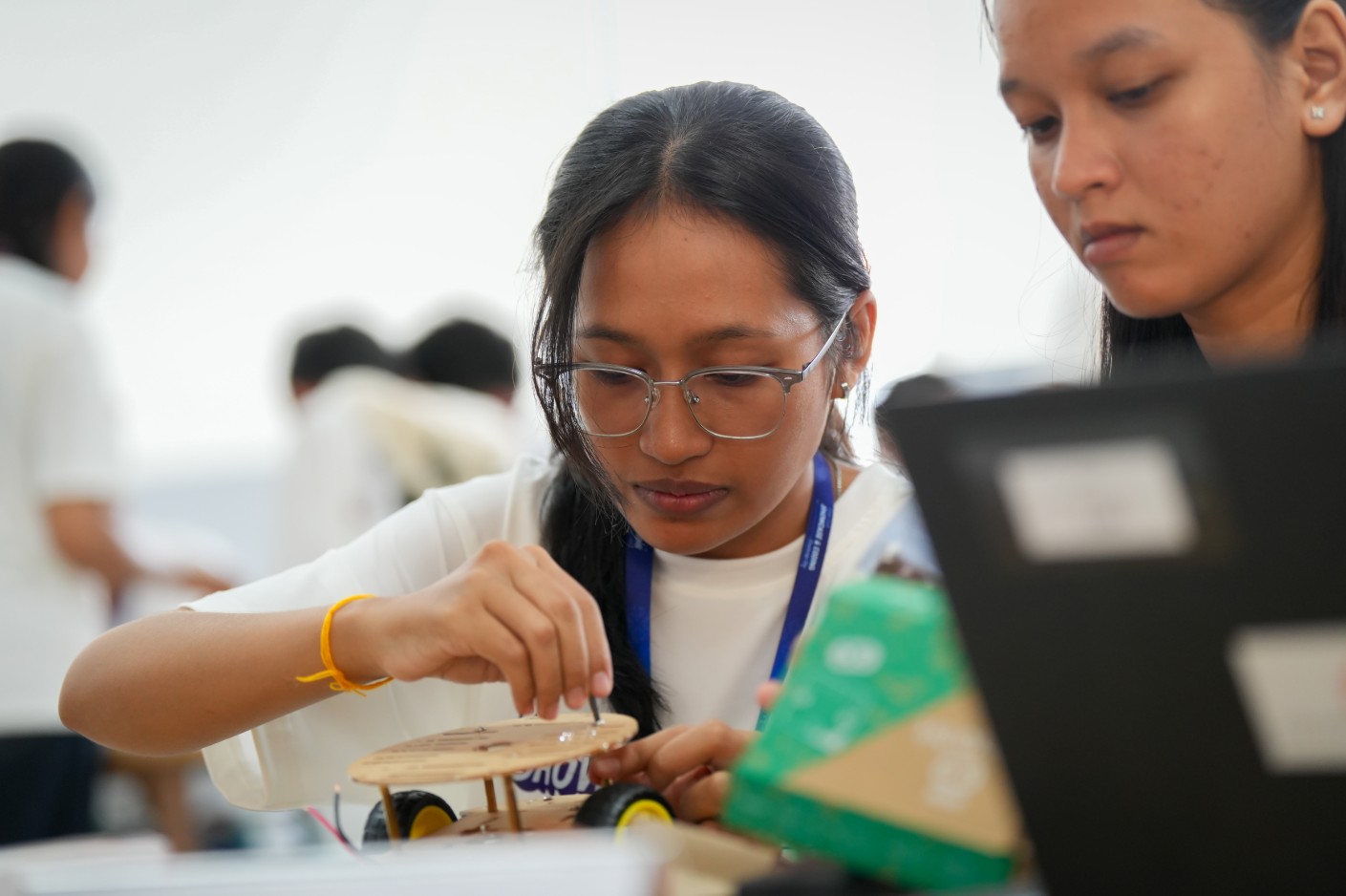
Digitalisation is increasingly integrated across our regional portfolio. Current initiatives include digital skills development, coding education, digital learning systems, technology-enabled training, innovation ecosystems, and digital ESG reporting solutions that improve productivity, transparency, and business performance.

Where we add value: ICT and digital services, education and training, healthcare, RMG, entrepreneurship, business services, and technology-enabled SMEs.

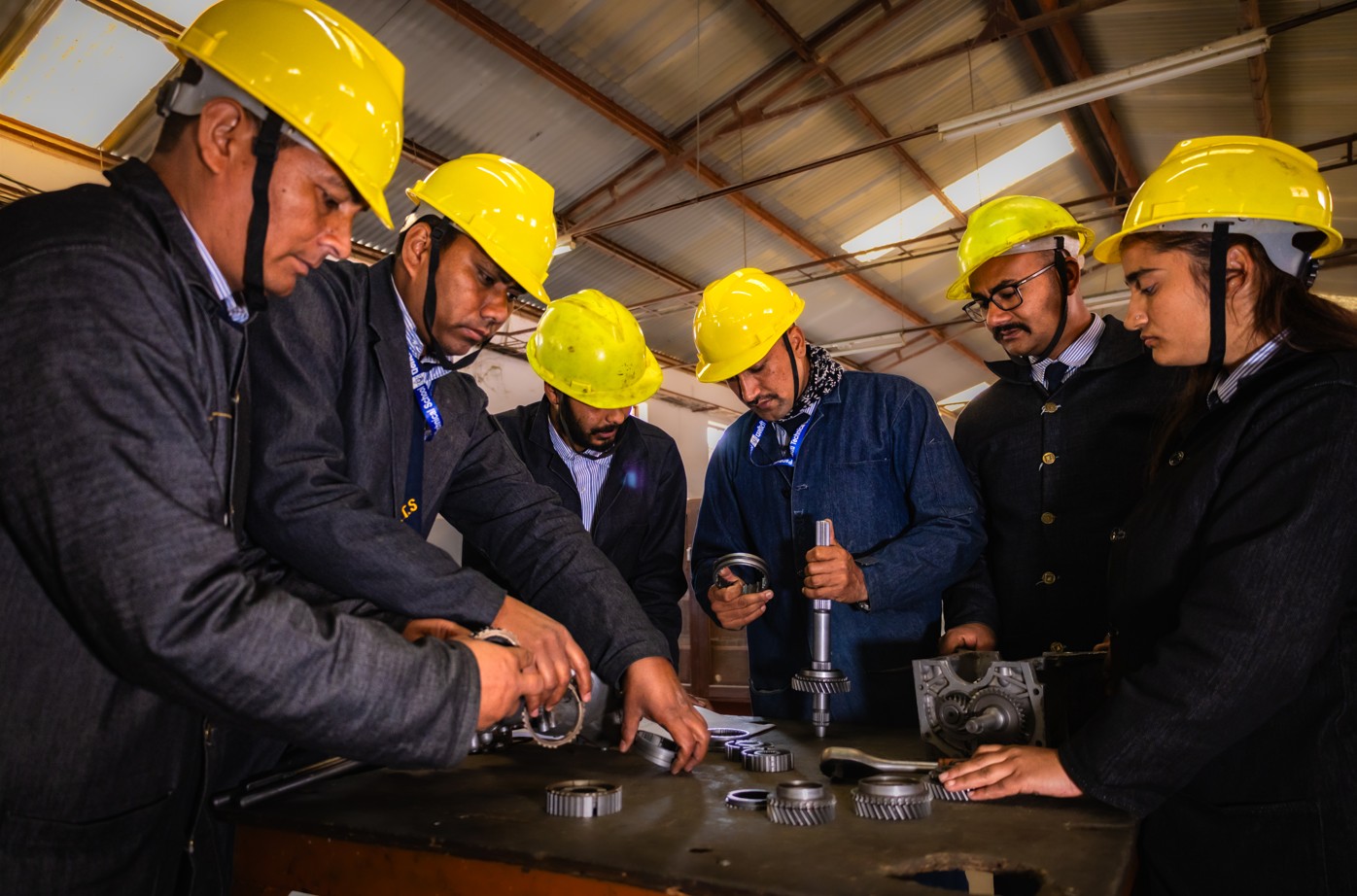
Vocational training participants in a workshop

Where We Create Opportunities

The region's growing portfolio demonstrates our commitment to creating scalable and sustainable solutions that generate jobs, increase incomes, and strengthen inclusive economic resilience for communities and enterprises across Asia. Below you can read a few examples of our experiences.

Indonesia feature image
Indonesia

At the heart of the tourism sector, culinary art is more than just a meal or tourist attraction. As global travellers increasingly demand green and sustainable practices, and to protect the future of the industry, we first empower the people who lead it.

Our initiative addresses a growing skills gap in environmentally sustainable practices. By collaborating directly with the ministry and industry leaders, including executive chefs, the programme integrates sustainability into curriculum design, ensuring that future workers are prepared for evolving market demands.

“
I hope this collaboration continues to grow and help train a professional tourism workforce that believes in a more environmentally sustainable future.
Chef Dinda Weragati
Executive Chef

This Swiss-inspired skills development creates a standardised framework designed to be scaled, multiplying impact across institutions.

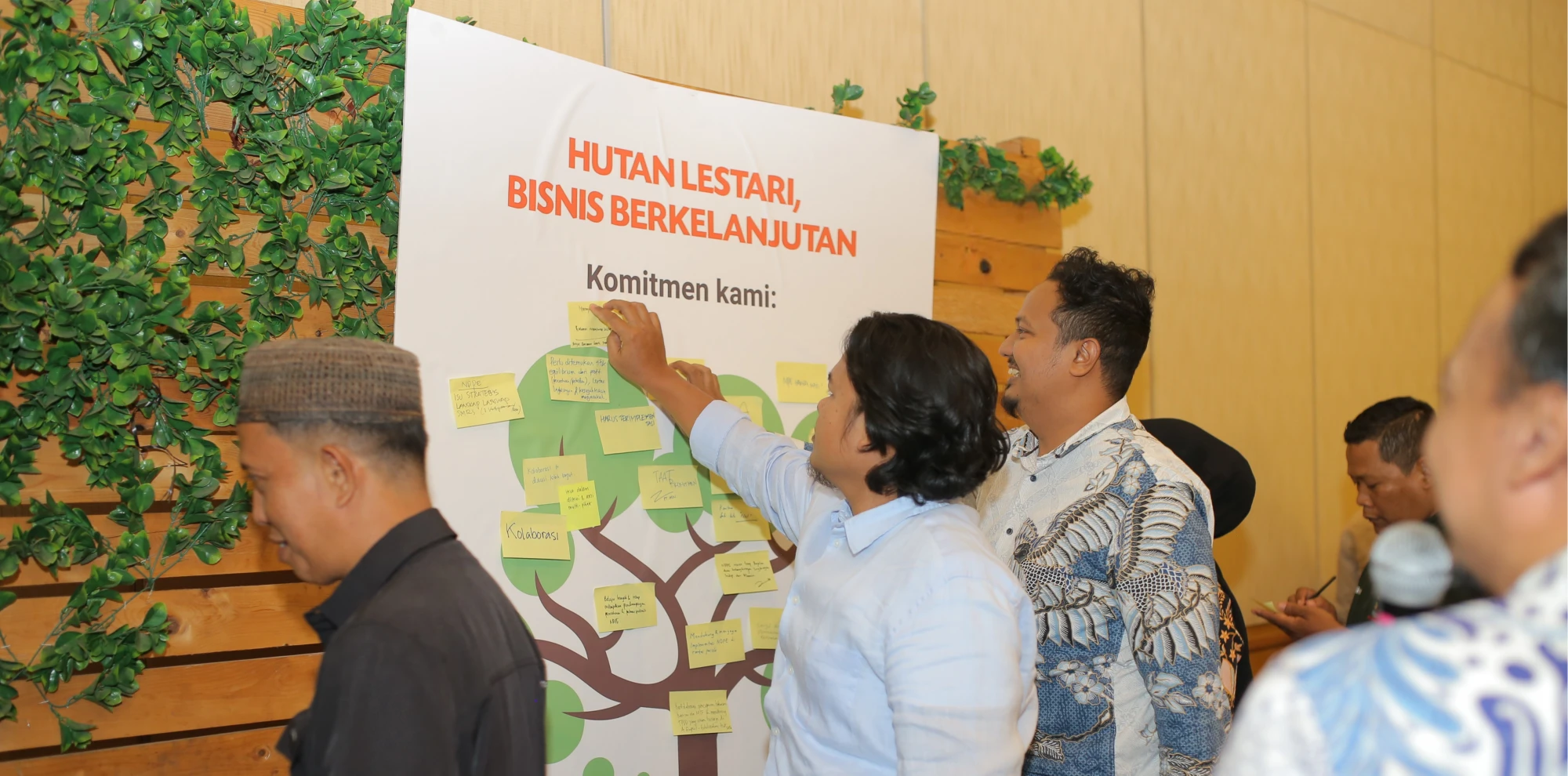
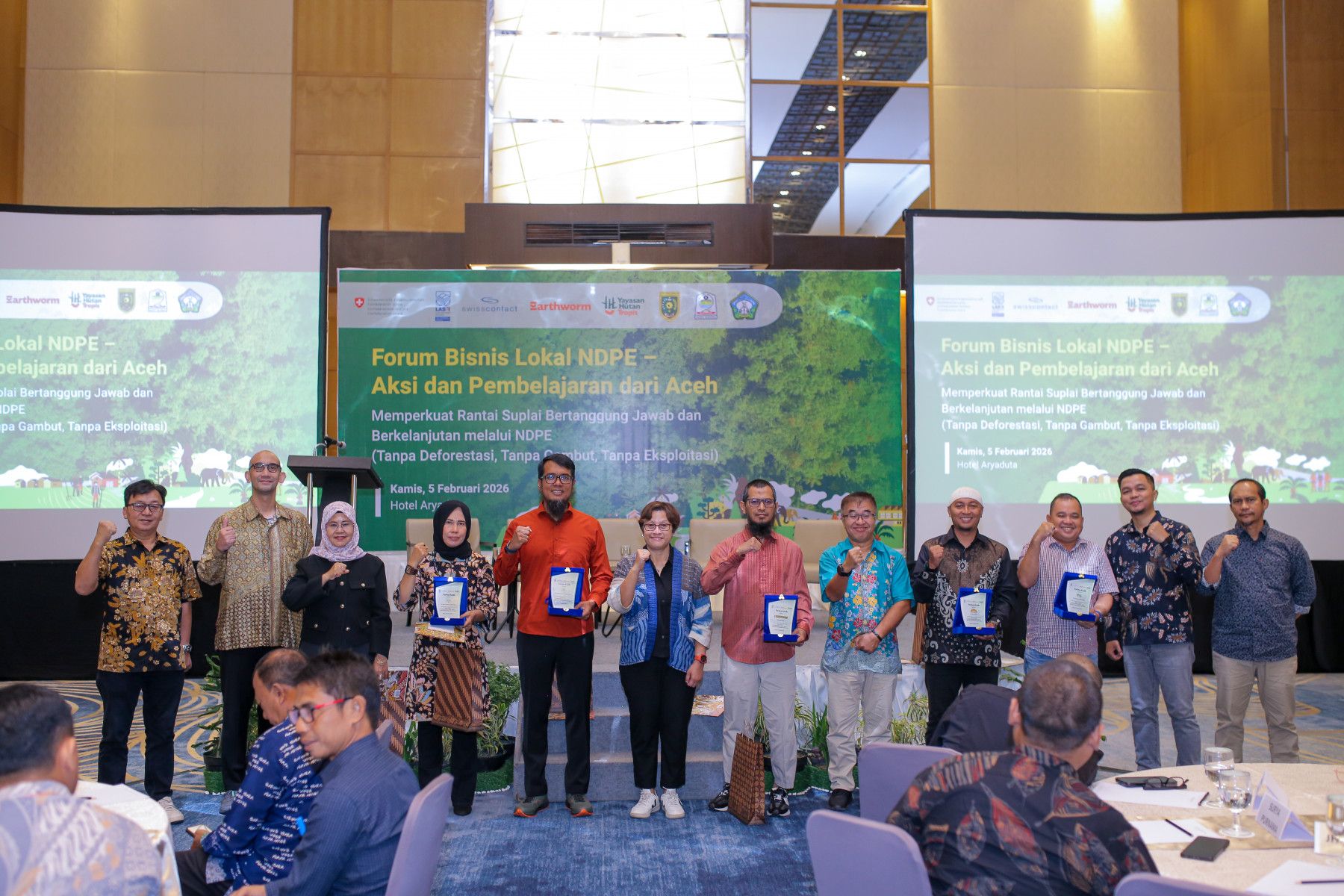
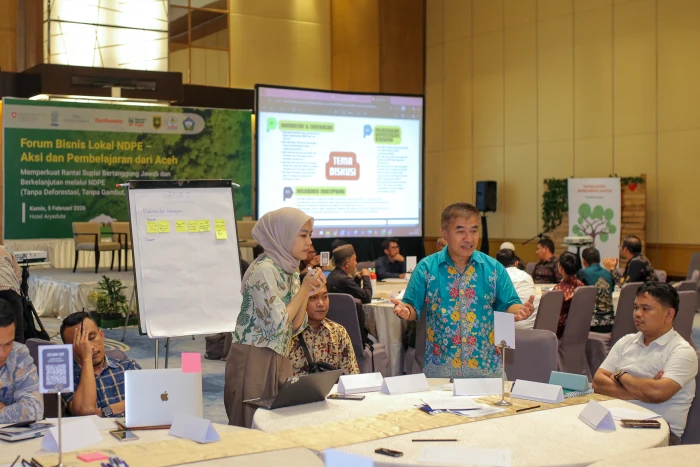
In Aceh we are strengthening sustainable palm oil supply chains to reconnect them with global market opportunities.
“
A responsible supply chain cannot be built by one actor alone. It requires collaboration among all actors across the palm oil supply chain, including smallholders, plantations, mills, traders, buyers, and the government. Traceability is the foundation that connects these efforts and helps ensure that raw materials meet NDPE commitments.
Nofri Iswandi
Supply Chain Transformation Manager (SCTM) of Earthworm Foundation

Thank you clients and partners

Our Partners

Partner with us

Together with Swisscontact, you can create impact both locally and globally. We develop solutions that merge your values and business objectives, leading to sustainable projects and partnerships. Your expertise steers economic development directly to the people. We will accompany you from concept creation to measuring impact, providing guidance even when you are facing individual challenges.
Get involved with us